





| tiiec | 08-13-2026 | comment profile send pm notify |
|
When selecting slurry pump wear parts, one common question often comes up: Should you choose rubber or high chrome alloy? The answer is not simply about which material is stronger. The right choice depends on the actual slurry conditions. Different materials are designed for different challenges. When is rubber a better choice?Rubber wet-end components are often suitable for applications with:
The elasticity of rubber helps absorb particle impact and provides excellent resistance against certain corrosive environments. However, rubber may not be the best option when handling very large, sharp particles or high-impact slurry, as cutting and tearing can reduce service life. When is high chrome alloy a better choice?High chrome alloy components are commonly selected for:
The high hardness of alloy materials provides strong resistance against particle cutting and erosion. However, in some corrosive slurry conditions, alloy components may require careful material selection to avoid accelerated wear caused by corrosion and abrasion together. Why is material selection sometimes difficult?Real slurry conditions are often complex. A single application may involve:
Choosing a material only based on hardness or price may lead to unexpected wear problems. What should engineers consider?Before selecting slurry pump wear materials, it is important to evaluate:
The best material is the one that matches the actual working conditions. At TIIEC, we help customers select suitable slurry pump wear solutions, including rubber and high chrome alloy components, based on application requirements. 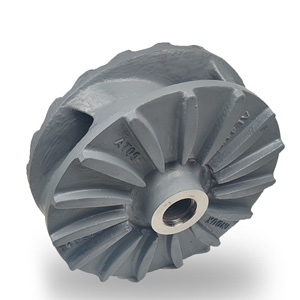
|
||