






Buyer’s Guide: Concrete Pumps
Buyer's Guide: Concrete Pumps
Understanding Your Needs
When it comes to purchasing a concrete pump, the first and most crucial step is to identify your typical construction project requirements. The scope, scale, and specific demands of your projects will determine the type of pump you need. Whether you're working on a high-rise building, a bridge, or a small residential site, knowing your needs will help you make the right choice.
Type Knowledge
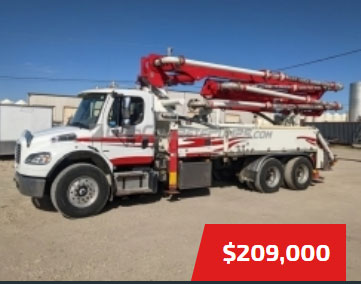
Concrete pumps come in two primary types: boom pumps and line pumps. Boom Pumps are ideal for large-scale construction projects where concrete needs to be placed at great heights or depths. These pumps feature a truck-mounted unit with a hydraulic boom that extends and articulates, allowing them to reach inaccessible areas. Line Pumps, on the other hand, are more compact and versatile, using flexible hoses or pipes to transport concrete. They are perfect for smaller projects or tight spaces where a boom pump may not be practical.
Technical Specifications
Once you've determined the type of pump you need, it's time to review its technical specifications. These include:
- Maximum Volume Output: The amount of concrete the pump can handle in a single cycle.
- Pump Distance: The horizontal and vertical distance the concrete must be pumped.
- Engine Type: The power source of the pump, which can be diesel or electric.
- Other Key Features: Consider additional specifications such as hydraulic pressure, flow rate, and control systems.
These factors will significantly impact the pump’s efficiency on the job site. For example, a boom pump with a higher vertical reach and greater pumping distance is essential for high-rise construction, while a line pump with higher flow rates is better suited for large-scale horizontal pours.
Maintenance and Servicing
Regular maintenance is essential for the long-term usage of a concrete pump. Ensure the manufacturer provides adequate post-purchase service and has spare parts available. A well-maintained pump will not only perform better but also extend its operational lifespan. Consider the following:
- Manufacturer’s Service Record: Look for manufacturers known for their reliable service and spare parts availability.
- Maintenance History: Obtain detailed information about the maintenance history of the pump to ensure it has been properly serviced.
- Warranty and Support: Check if the manufacturer offers a comprehensive warranty and dedicated support services.
Manufacturer’s Reputation
Researching the reputation of the manufacturer is crucial when investing in a concrete pump. Established companies like OlinPump are renowned for their reliability and high-quality equipment, making them a safe bet. A reputable manufacturer ensures that their pumps are built to last, with robust designs and durable materials.
Financing Your Concrete Pump
Purchasing a concrete pump can be a significant investment, so it's essential to consider financing options. Here are a few:
- Loans: Traditional bank loans or equipment financing loans can fund your new pump purchase. These typically involve paying back the loan amount with interest over a set period.
- Leasing: If you need a pump for a specific period or project, leasing might be a more cost-effective option. This involves paying a monthly fee to use the pump.
- Rent-to-Own: Some companies offer rent-to-own plans where your rental payments can eventually lead to ownership of the pump.
Whatever the case, be sure to do your due-diligence and research each option before making any commitment.
By understanding your needs, selecting the right type of pump, reviewing technical specifications, ensuring proper maintenance, considering the manufacturer’s reputation, and exploring financing options, you can make an informed decision when buying a concrete pump. This investment will not only streamline your construction process but also enhance the quality and efficiency of your projects.
Key Considerations Before Buying
- Understanding Your Needs: Identify the requirements of your typical construction project.
- Type Knowledge: Familiarize yourself with the different types of concrete pumps.
- Technical Specifications: Review the specifications of the pump, including maximum volume output, pump distance, engine type, and more.
- Maintenance and Servicing: Regular maintenance is essential; ensure the manufacturer provides adequate post-purchase service and has spare parts available.
- Manufacturer’s Reputation: Research the reputation of the manufacturer; established companies are often a safe bet.
- Financing Your Concrete Pump: Consider financing options such as loans, leasing, or rent-to-own plans.
By keeping these key considerations in mind, you can make an informed decision and find the perfect concrete pump for your construction projects.
Additional Tips
- Project Size: The scale of the project will determine whether a boom pump or a line pump is more suitable.
- Pumping Distance and Elevation: The horizontal and vertical distance the concrete must be pumped will affect the pump selection.
- Concrete Mix Design: Different pumps handle different types of concrete mixes, so ensure the pump can handle the specific mix design required for your project.
- Availability and Budget: Consider the availability of the pump type you need and the budget for your project.
By following these guidelines, you can ensure that your concrete pumping operations are efficient, reliable, and cost-effective.
By understanding these key points and conducting thorough research, you can find the ideal concrete pump to meet your construction needs, enhancing both the efficiency and quality of your projects.
Source: https://www.equipmentandcontracting.com/buyers-guide-concrete-pumps/